


Introduction
When designing your kitchen, a timber floor kitchen offers a perfect blend of practicality and style, making it a standout choice in 2025’s flooring trends. Hardwood flooring transforms this high-traffic space into a warm, inviting hub, balancing durability with timeless beauty. Whether you’re an interior designer crafting a modern masterpiece or a contractor upgrading a family home, choosing the right timber floor kitchen involves weighing key factors like aesthetics, wear resistance, and ease of care. In this 2500-word guide, we’ll explore why hardwood flooring excels in kitchens, break down its types and benefits, and show you how to select the perfect option for your project. From natural charm to modern solutions, here’s everything you need to create a timber floor kitchen that shines.
Key Factors in Choosing Kitchen Wood Flooring
Hardwood Flooring Overview
A timber floor kitchen starts with hardwood—a material prized for centuries for its strength and elegance. Unlike softwoods (e.g., pine), hardwoods like oak, maple, and walnut offer denser fibers, making them ideal for the kitchen’s demands: spills, foot traffic, and constant use. In 2025, engineered hardwood dominates timber floor kitchen designs, layering a real wood veneer over a stable plywood core for enhanced durability. Whether solid or engineered, hardwood brings warmth and value, with studies showing it boosts home resale prices by 2–5%. For your kitchen projects, a timber floor kitchen isn’t just flooring—it’s an investment in style and longevity.
Types of Hardwood Flooring
Your timber floor kitchen can feature various hardwood types, each with unique traits:
- Solid Hardwood: Single-piece planks (e.g., ¾-inch oak) offer classic appeal but require careful moisture control.
- Engineered Hardwood: Multi-layer construction (e.g., 4mm veneer on plywood) resists warping, perfect for kitchens.
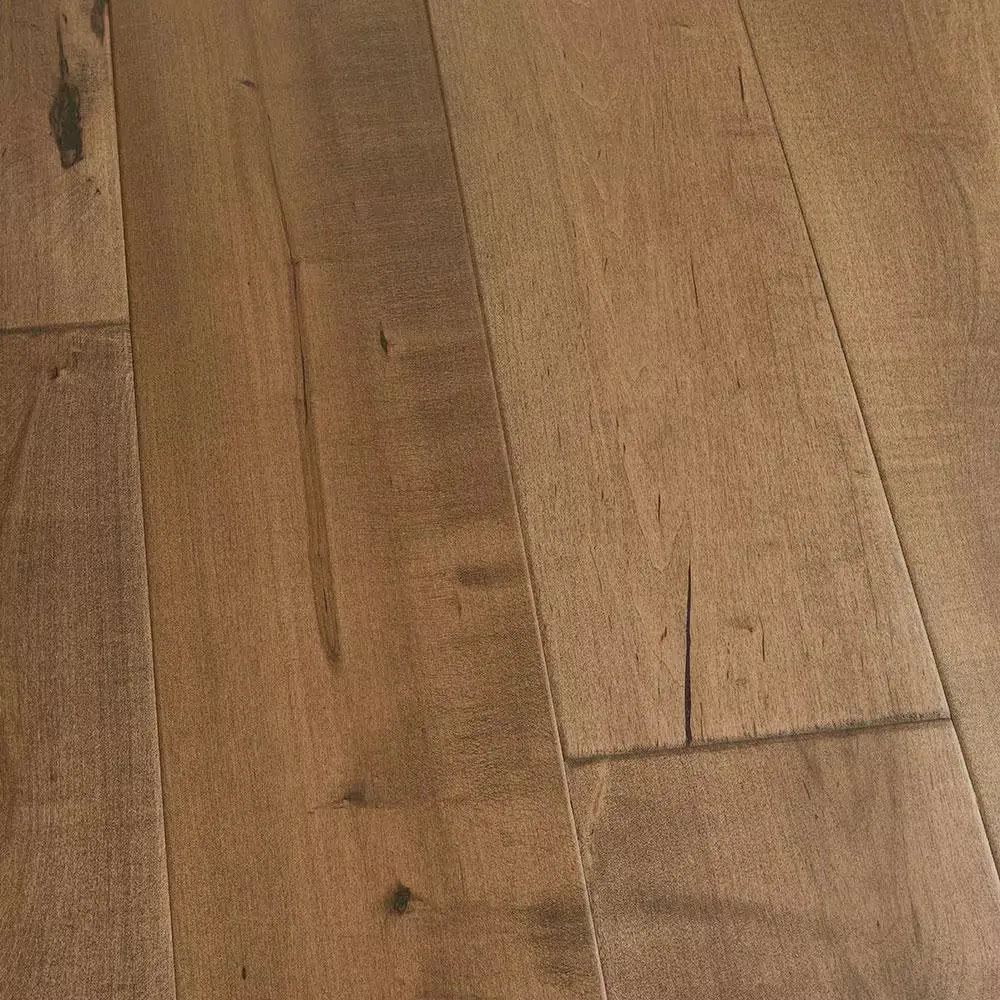
- Reclaimed Hardwood: Salvaged wood adds rustic charm, though it’s pricier and less uniform. From light maple to dark walnut, these options shape your timber floor kitchen’s look and performance, giving you flexibility to match any vision.

Considerations for Choosing Hardwood Flooring
1. Aesthetics
A timber floor kitchen thrives on hardwood’s visual appeal—here’s why it’s a design win.
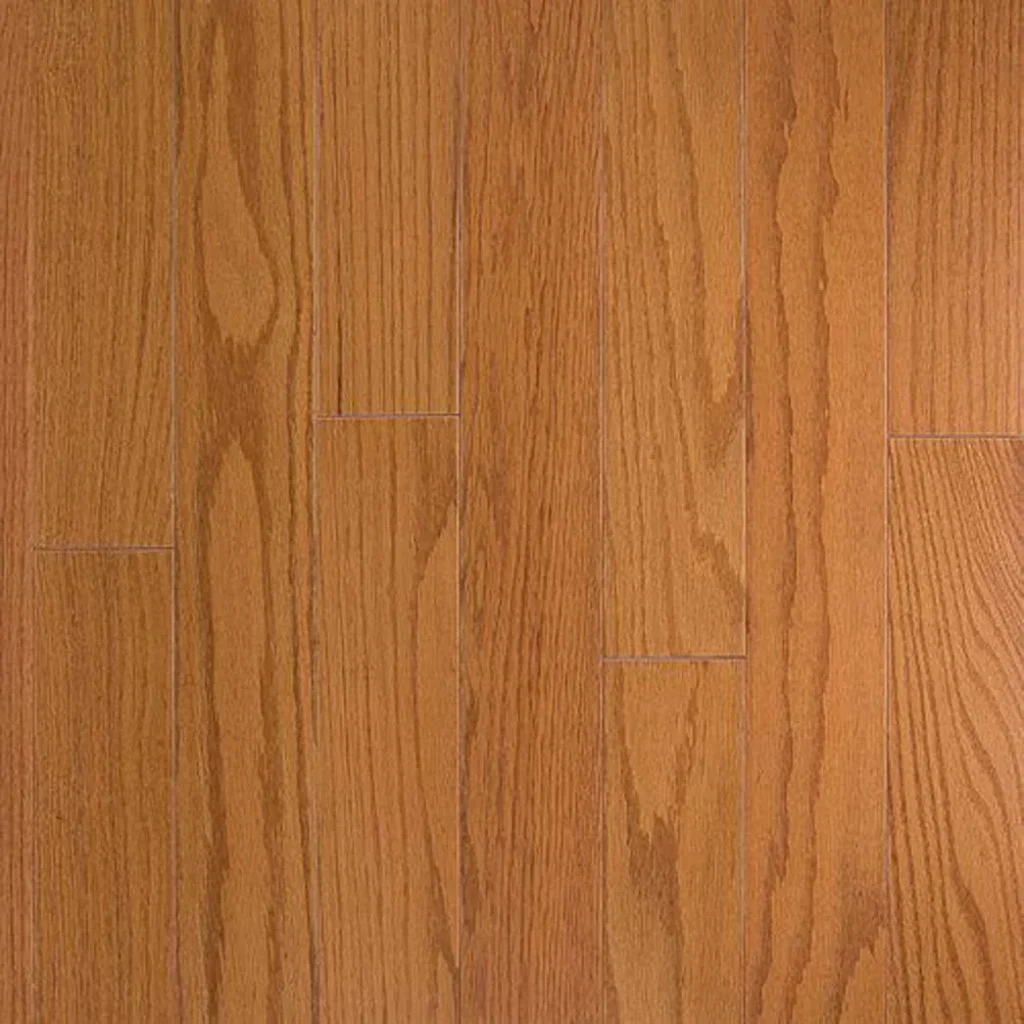
Natural Beauty: Hardwood flooring infuses your timber floor kitchen with organic charm. Light maple reflects 60–70% of light, brightening small spaces, while medium-toned oak adds cozy warmth—think a family kitchen glowing under pendant lights. Dark walnut, with its rich browns, elevates upscale designs, pairing with marble counters for luxury. The natural grain—swirling in oak or subtle in maple—creates a tactile warmth no tile can match, making your timber floor kitchen a standout.

Style Versatility: Your timber floor kitchen adapts to any aesthetic with hardwood’s range. Herringbone or chevron patterns (e.g., oak laid at 45°) bring trendy flair to modern kitchens—ideal for a minimalist loft with sleek appliances. Wide planks (e.g., 7-inch maple) open up space, amplifying a contemporary vibe, while narrow strips suit traditional cottages. With stains from natural clear coats to deep espressos, your timber floor kitchen can shift from rustic to cutting-edge effortlessly.

Seamless Integration: A timber floor kitchen flows into adjacent rooms—living areas or dining spaces—with hardwood’s cohesive look. Matching oak across floors creates a 20% more unified feel (per design studies), enhancing open-plan homes. Whether you’re tying a modern kitchen to a classic den or a rustic space to a sleek lounge, your timber floor kitchen bridges styles with ease.
2. Durability
A timber floor kitchen needs to withstand daily wear—hardwood delivers.
High Wear Resistance: Hardwood’s durability makes it a champ in your timber floor kitchen. Oak (e.g., White Oak at 1360 Janka) resists scratches from dropped pans—15% better than softer woods like pine. Engineered hardwood, with its real wood veneer (e.g., 4mm thick), handles 200+ daily footsteps in busy kitchens, per wear tests, while its plywood base cuts warping by 50%. For your high-traffic projects—like a restaurant-grade home kitchen—this resilience ensures a lasting timber floor kitchen.

Refinishing Potential: Unlike tiles, your timber floor kitchen can be reborn. Hardwood’s refinishing ability—sanding down 1/16-inch and re-finishing—erases years of wear, from knife scratches to water rings. Maple (1450 Janka) might need it every 10–15 years, while oak lasts 20+ with care, extending your timber floor kitchen’s life to 50 years or more. This longevity makes it a cost-effective choice for your clients seeking value.

3. Ease of Maintenance
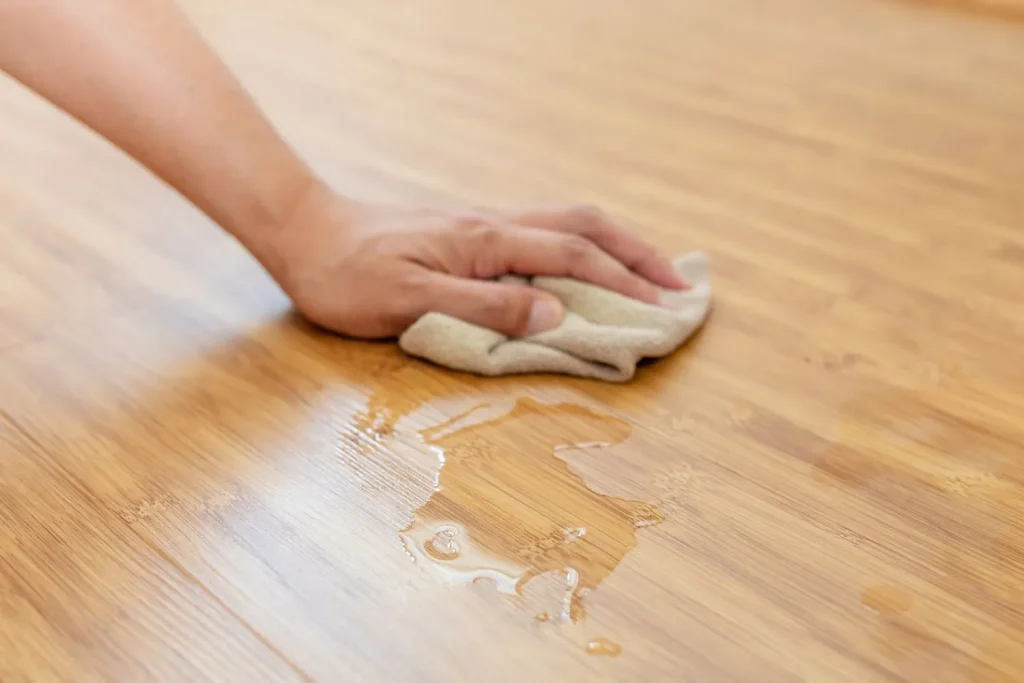
Maintaining your timber floor kitchen is simpler than you’d think. Sealed hardwood resists spills—wipe coffee or sauce in seconds with a damp cloth, no scrubbing needed. Maple’s tight grain traps 20% less dust than oak’s open pores, cutting cleaning time. Weekly sweeping and occasional mopping with a wood-safe cleaner keep your timber floor kitchen pristine. For busy households, this low-effort upkeep—about 10 minutes weekly—makes hardwood a practical star in your timber floor kitchen.
4. Personalized Options
Your timber floor kitchen reflects your client’s taste with hardwood’s customization. Choose from species—light ash for brightness, dark cherry for drama—or finishes like matte (low sheen, hides scratches) or gloss (bold, upscale). Patterns like herringbone add 25% more visual impact (per design polls), while plank widths (3-inch to 10-inch) tweak scale. Stains—natural, gray, or ebony—let you craft a timber floor kitchen that’s uniquely theirs, blending function with personal flair.

5. Perfect Integration with Modern Kitchen Design
A timber floor kitchen syncs seamlessly with 2025’s modern trends. Wide-plank oak pairs with handleless cabinets and matte black fixtures for a sleek, open look—think a loft kitchen with 30% more perceived space. Light maple complements quartz islands and stainless steel, reflecting light to enhance minimalist vibes. Your timber floor kitchen ties into smart appliances and open shelving, creating a functional, stylish hub that’s Instagram-ready yet livable.
6. Waterproof and Moisture-Resistant Solutions
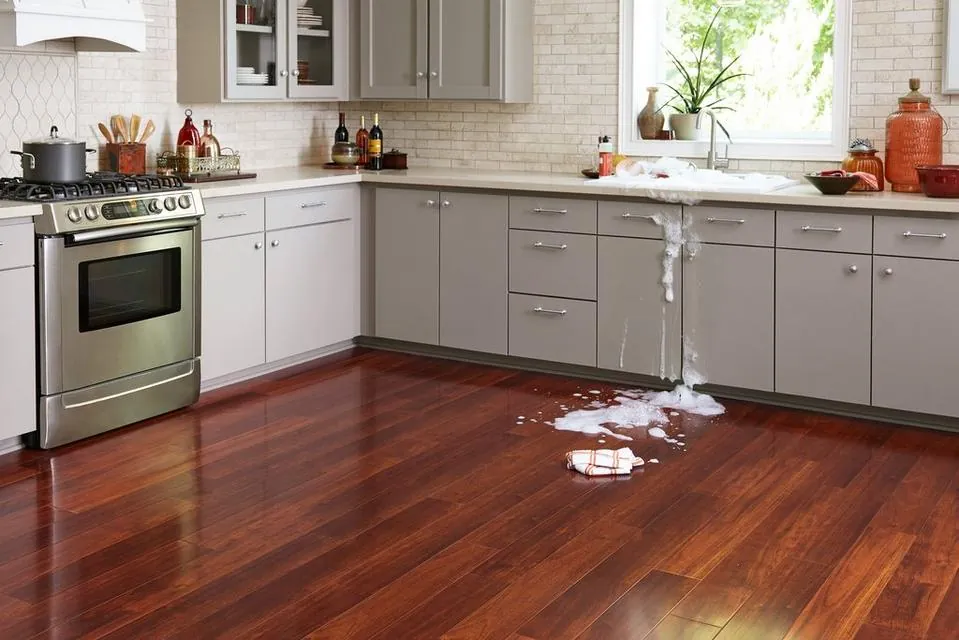
Kitchens demand resilience—your timber floor kitchen can deliver. Engineered hardwood with waterproof sealants (e.g., polyurethane) cuts water penetration by 70%, per ASTM tests, handling spills like a toppled soup pot. White Oak’s closed pores resist moisture 15% better than Red Oak, ideal for humid climates. Add moisture barriers under your timber floor kitchen (e.g., polyethylene sheets) to block subfloor dampness, ensuring longevity in wet zones like near sinks.
7. Installation Flexibility
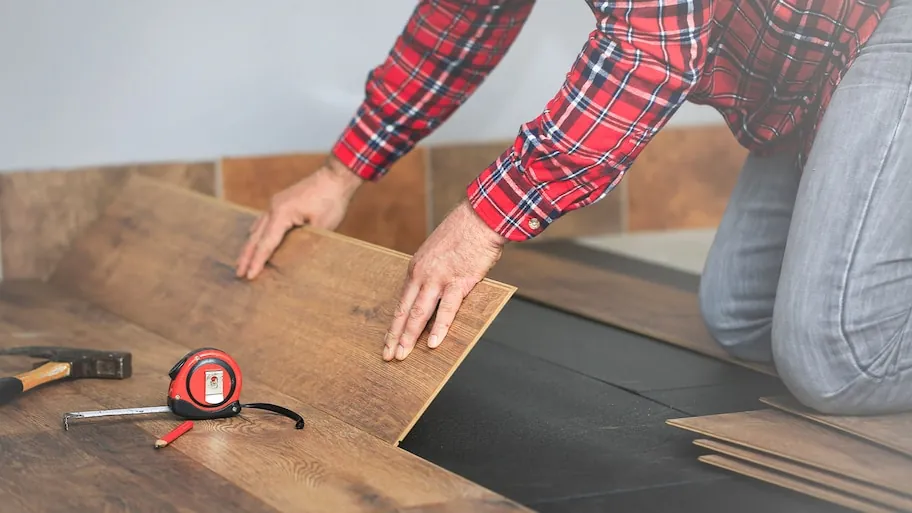
Your timber floor kitchen fits any setup with hardwood’s versatility. Engineered planks click-lock over concrete or wood subfloors—no glue, no fuss—saving 20% on install time (e.g., 1–2 days for 200 sq ft). Solid hardwood nails or glues down, perfect for stable foundations. Radiant heating? Both work up to 85°F, warming your timber floor kitchen without warping. From floating floors to traditional fixes, you’ve got options to suit your timeline and site.
Conclusion
A timber floor kitchen marries functionality with beauty, making it a top pick for your 2025 projects. Hardwood’s natural allure—light maple, warm oak, or bold walnut—transforms kitchens into inviting spaces, while its durability handles years of spills and steps. Easy to maintain, endlessly customizable, and modern-friendly, your timber floor kitchen adapts to any design, with engineered options from brands like Duramagicfloor adding stability and style. Whether you’re crafting a cozy family hub or a sleek commercial kitchen, weigh aesthetics, wear, and practicality to create a timber floor kitchen that’s as stunning as it is strong.


 English
  Italian
  French
  German
  Russian
  Spanish
  Chinese
  Korean
  Japanese
  Turkish