

Introduction

Welcome to Chapter 3 – Product Specifications and Quality Control, an essential segment of our comprehensive guide,designed to help industry stakeholders navigate the technical side of the sourcing roadmap. If you’re an importer, wholesaler, manufacturer, contractor, or developer, understanding product specifications and quality control is non-negotiable. These elements ensure that the products you source, produce, or install—whether engineered timber flooring, solid hardwood, or other materials—meet the rigorous demands of your clients and markets.
In this chapter, we’ll explore what product specifications entail, why quality control matters, and how these processes impact your business operations and reputation. From defining technical standards to implementing testing protocols, Chapter 3 – Product Specifications and Quality Control equips you with the knowledge to deliver excellence.
What Are Product Specifications?
At the heart of Chapter 3 – Product Specifications and Quality Control lies the concept of product specifications. Simply put, these are detailed descriptions of a product’s characteristics, dimensions, materials, and performance criteria. For flooring professionals—whether you’re a factory producing engineered timber or a wholesaler distributing to dealers—these specs are your blueprint for consistency and reliability.
Key Components of Product Specifications
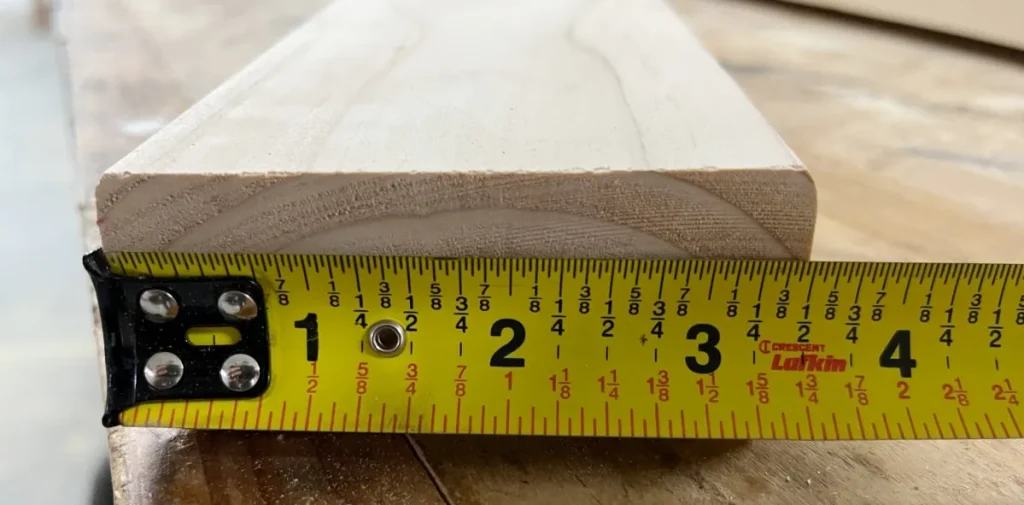
- Dimensions: Length, width, and thickness (e.g., ¾-inch solid hardwood or 3mm wear layer for engineered timber).
- Materials: Wood species (oak, maple, Jatoba), core types (plywood, HDF), and finishes (UV-cured urethane,Lacquered and oil finishes).
- Performance Standards: Hardness (Janka rating), moisture resistance, and load-bearing capacity.
- Appearance: Grain patterns, color variations, and finish sheen (matte, glossy).
- Certifications: FSC for sustainability, VOC emissions for safety.
For manufacturers and brands, detailed specs in Chapter 3 – Product Specifications and Quality Control ensure your products align with market expectations. Importers and distributors use them to verify compliance with regional regulations, while contractors rely on them to match project requirements.
Why Quality Control Matters in Product Development
Quality control (QC) is the backbone of Chapter 3 – Product Specifications and Quality Control. It’s the process of testing and inspecting products to ensure they meet predefined standards before reaching your clients—whether they’re building materials supermarkets, design institutes, or residential developers. Poor QC leads to returns, reputational damage, and lost contracts; robust QC builds trust and profitability.

Benefits of Quality Control
- Consistency: Ensures every batch matches the specs, vital for wholesalers supplying dealers.
- Durability: Verifies products withstand real-world use, a priority for contractors.
- Compliance: Meets industry standards (e.g., ASTM, EN), critical for importers in regulated markets.
- Customer Satisfaction: Delivers reliable products, strengthening brands and agents’ reputations.
In Chapter 3 – Product Specifications and Quality Control, QC isn’t just a checklist—it’s a strategic advantage for factories and manufacturers aiming to stand out.
Product Specifications in Flooring: A Closer Look
Let’s apply Chapter 3 – Product Specifications and Quality Control to flooring, a core focus for your audience. Here’s how specs differ across popular options:

Engineered Timber Flooring
Wear Layer: 1–6mm, with thicker layers (4mm+) allowing refinishing.
Core: 7–11-ply plywood for stability.
Finish: UV-cured or ceramic-infused for scratch resistance.Janka Rating: Varies by species (e.g., oak at 1360, hickory at 1820).
Solid Hardwood
Thickness: Typically ¾-inch, fully refinishable.
Material: Single timber piece, no core.
Moisture Sensitivity: Higher than engineered, requiring precise specs.
Appearance: Rich, uniform grain, prized by design institutes.
Luxury Vinyl Plank (LVP)
Thickness: 4–8mm, with a wear layer of 0.3–0.7mm.
Material: PVC with a printed wood-look surface.
Waterproofing: 100%, unlike timber options.
Durability: Scratch-resistant but not refinishable.
Quality Control Processes: Step by Step
Effective QC is systematic. Here’s how it unfolds in Chapter 3 – Product Specifications and Quality Control:

1. Raw Material Inspection
What’s Checked: Wood quality, moisture content (6–9% for timber), and adhesive strength.
Who Benefits: Factories ensure inputs meet specs; importers verify supplier reliability.
2. In-Process Testing
What’s Checked: Layer bonding, dimensional accuracy, and finish application.
Who Benefits: Manufacturers catch defects early, saving costs for distributors.
3. Finished Product Testing
- What’s Checked: Hardness (Janka test), abrasion resistance (Taber test), and stability (moisture exposure).
- Who Benefits: Brands and agents confirm market-ready quality.
4. Packaging and Shipping Checks
What’s Checked: Proper labeling, protective packaging, and batch consistency.
Who Benefits: Wholesalers and supermarkets avoid transit damage claims.
5. Post-Installation Feedback
What’s Checked: Client satisfaction, performance under use.
Who Benefits: Contractors and developers refine future specs.
Tools and Standards in Quality Control
To execute QC effectively, Chapter 3 – Product Specifications and Quality Control relies on industry tools and benchmarks:
Tools
Moisture Meters: Ensure timber’s moisture content aligns with specs.
Janka Hardness Tester: Measures wood’s dent resistance.
Taber Abrasion Tester: Evaluates finish durability.
Spectrophotometers: Verify color consistency for brands.
Standards
ASTM: American standards for flooring performance.
EN: European norms for safety and quality, key for importers.
ISO 9001: Quality management certification for factories.
FSC: Sustainability assurance for eco-conscious developers.
These tools and standards in Chapter 3 – Product Specifications and Quality Control empower your business to deliver excellence.
Challenges in Product Specifications and Quality Control
Even with robust systems, challenges arise. Chapter 3 – Product Specifications and Quality Control addresses these:
1. Variability in Raw Materials
Issue: Natural wood varies in grain and hardness.
Solution: Strict supplier audits for importers, species-specific specs for manufacturers.
2. Cost vs. Quality Trade-Offs
Issue: High QC standards raise costs.
Solution: Optimize mid-range specs (e.g., 3mm wear layers) for wholesalers.
3. Regional Compliance
Issue: Specs differ by market (e.g., VOC limits in Europe vs. U.S.).
Solution: Tailored production runs for factories, clear documentation for agents.
4. Human Error
Issue: Oversight in testing or production.
Solution: Automated QC systems for distributors, training for staff.
Best Practices for Implementing Specifications and QC
Here’s how to excel in Chapter 3 – Product Specifications and Quality Control:
For Manufacturers and Factories
Define clear, testable specs (e.g., Janka 1500+ for high-traffic flooring).
Invest in automated testing for precision.
For Importers and Wholesalers
Request detailed spec sheets and QC reports from suppliers.
Sample-test batches before full orders.
For Contractors and Developers
Match specs to project needs (e.g., moisture-resistant engineered timber for basements).
Verify QC certifications on-site.
Frequently Asked Questions
1. What’s Covered in Chapter 3 – Product Specifications and Quality Control?
It details specs (dimensions, materials) and QC processes (testing, standards) for flooring pros.
2. Why Are Product Specifications Important?
They ensure consistency and performance, critical for manufacturers and contractors.
3. How Does QC Differ for Engineered vs. Solid Timber?
Engineered focuses on layer bonding, solid on moisture sensitivity—both key in Chapter 3 – Product Specifications and Quality Control.
4. What Tools Are Used in Flooring QC?
Moisture meters, Janka testers, and abrasion testers ensure specs are met.
Conclusion
Chapter 3 – Product Specifications and Quality Control is your roadmap to excellence in the flooring industry. For importers, it ensures reliable sourcing; for manufacturers, it drives production precision; for contractors, it guarantees project success. By mastering specs and QC, you position your business—whether a wholesaler, brand, or developer—as a leader in quality and trust.
Now that you have mastered product specifications, you are ready to lock them in. Move on to Chapter 4: Negotiation & Contracts, or return to the Main Guide Overview to review the complete 6-step sourcing process.


 English
  Italian
  French
  German
  Russian
  Spanish
  Chinese
  Korean
  Japanese
  Turkish