

Introduction

In the fast-paced world of flooring and building materials, getting products from the factory floor to the client’s doorstep is a complex dance of logistics, customs clearance, and delivery. For importers sourcing engineered timber from overseas, wholesalers distributing to dealers, or manufacturers shipping branded lines, mastering this process is critical to staying competitive. This guide dives deep into the intricacies of moving goods efficiently, ensuring compliance with international regulations, and delivering on time—every time.
Whether you’re a contractor awaiting materials for a commercial project, a distributor managing inventory for building materials supermarkets, or a brand ensuring your products reach design institutes, understanding these supply chain elements can make or break your business. Let’s explore how to streamline logistics, navigate customs, and optimize delivery to keep your operations running smoothly and your clients satisfied.
Securing a contract is only half the battle. To ensure your profit margins remain intact upon arrival, you must master the logistics phase of our The Ultimate Guide to Importing Engineered Wood Flooring from China.
The Importance of Logistics and customs clearance in the Flooring Industry
Logistics is the backbone of any B2B operation, especially in industries like flooring where timing and product condition are paramount. It encompasses planning, transportation, warehousing, and tracking—everything needed to move goods from point A to point B. For flooring professionals, this means ensuring that engineered timber, solid hardwood, or vinyl planks arrive intact, on schedule, and within budget.
Why Logistics Matters
- Timely Project Execution: Contractors and developers rely on prompt arrivals to meet deadlines.
- Cost Efficiency: Optimized routes and modes reduce expenses for wholesalers and importers.
- Product Integrity: Proper handling prevents damage to delicate finishes, a concern for manufacturers and brands.
- Market Reach: Efficient logistics expand your distribution network, benefiting agents and supermarkets.
Key Components of Logistics customs clearance for Flooring Products
To manage logistics effectively, you need to break it down into actionable components. Here’s what flooring professionals should focus on:
1. Transportation Modes
Ocean Freight: Cost-effective for importers shipping large volumes from Asia or Europe. Ideal for engineered timber or hardwood.
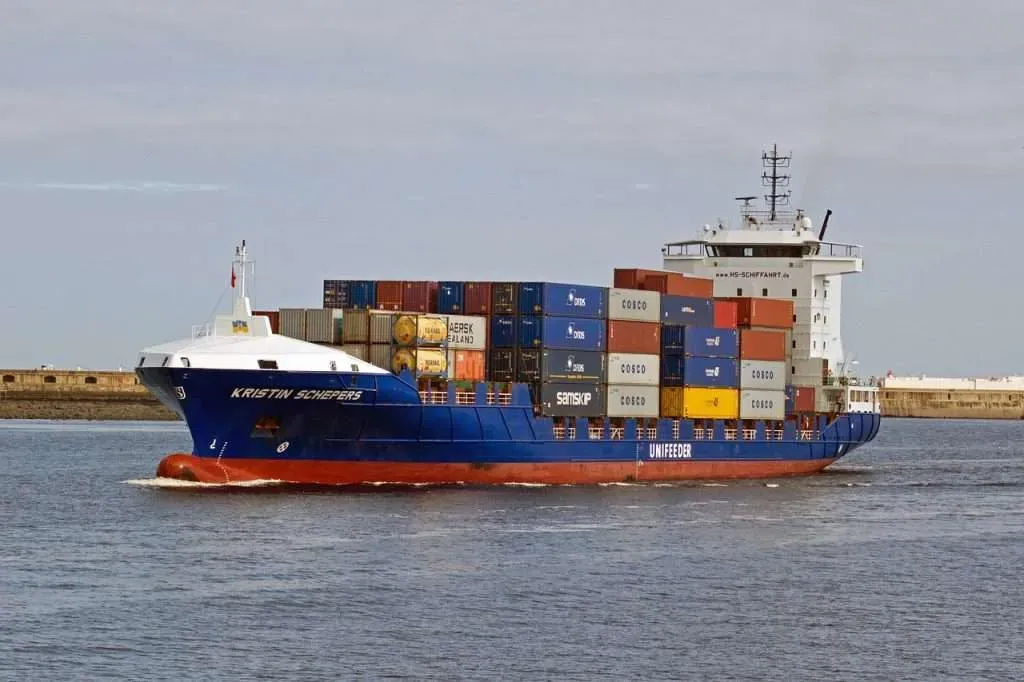
This shipping method is one of the most cost-effective methods. Ideally, you would import engineered wood flooring China in bulk. Therefore, sea freight is a suitable method of import.
Through sea freight, you can ship enormous volumes in containers. These are usually about 20 to 40 feet in size. While sea freight is slower, its benefits are quite a lot! Here’s what you will enjoy:
- Able to transport heavy or bulky items
- Lower cost per unit for large shipments
- You can pick from a full container load or less than a container load
- The sea freight method is suitable when you have flexible lead times. This method is ideal for maximizing your profit margins on your flooring imports.
Air Freight: Faster but pricier, suited for urgent orders or high-value brands.

Another great way to transport engineered wood flooring is through air freight. This method ensures that your order from China reaches you promptly. So you can fulfill your customer’s needs as soon as possible.
Now, why use the Air freight shipment method?
Air freight can be advantageous in the following ways for engineered wood flooring China:
- Guaranteed shorter transit time. It reduces exposure to humidity fluctuations, ensuring the stability of engineered wood flooring.
- You can get samples when they are available to show your customers.
- Allows you to maintain your stock levels during peak seasons.
- Your flooring shipments will be cleared in good time.
Rail: Efficient for bulk shipments across continents, a growing option in 2025.

It is an increasingly viable option to import engineered wood flooring from China. Businesses near major rail hubs can use the rail freight shipping method.
With this method, you enjoy the cost-effectiveness of sea freight and the pace of air freight.
What’s more?
- If your business is in Europe, there is the Belt and Road initiative. It has augmented rail infrastructure. Therefore, you can efficiently order your engineered wood flooring.
- Rail containers have better ventilation than other transportation means. It will maintain the ideal moisture content for engineered wood flooring.
- Rail freight can be a perfect shipping means during the sea freight peak season. It offers a more stable pricing and availability.
- You can monitor your flooring shipments in real time.
2. Packaging Standards
Flooring requires sturdy pallets, moisture-resistant wrapping, and corner protectors to prevent warping or scratches. For distributors and factories, investing in quality packaging reduces returns—a key aspect of Chapter 5 – Logistics, Customs Clearance, and Delivery.
3. Warehousing
Strategic storage hubs near ports or markets cut delivery times. Temperature-controlled warehouses are a must for timber to maintain quality, especially for importers and wholesalers.
4. Tracking Technology
Real-time GPS and RFID systems let you monitor shipments, providing transparency for contractors and developers awaiting materials.
Navigating Logistics and Customs Clearance: A Step-by-Step Guide
Customs clearance is where many flooring businesses face delays or unexpected costs. For importers bringing in engineered timber from overseas or manufacturers exporting branded flooring, understanding this process is essential to avoid bottlenecks.
Step 1: Documentation Preparation
Bill of Lading: Proof of shipment ownership.
Commercial Invoice: Details product value, quantity, and description (e.g., “500 sq.ft. oak engineered flooring”).Packing List: Specifies contents and packaging for customs checks.
Certificate of Origin: Verifies where the flooring was made, critical for duty rates.
HS Codes: Classifies products (e.g., 4412 for engineered wood) for tax purposes.
Step 2: Duty and Tax Assessment
Customs authorities calculate tariffs based on HS codes and trade agreements. Importers and agents must anticipate these costs—e.g., engineered timber might face 0–8% duties depending on origin.
Step 3: Inspections
Random or targeted checks ensure compliance with safety (e.g., VOC limits) and sustainability (e.g., FSC certification) standards. Manufacturers and distributors should ensure specs align with importing countries’ rules.
Step 4: Clearance and Release
Once approved, goods move to delivery. Delays here—common for wholesalers new to international trade—can be mitigated with experienced customs brokers.
Delivery: The Final Mile in the Supply Chain
Delivery is the last—and often most visible—step, where your flooring products reach contractors, developers, or supermarkets. It’s where logistical planning and customs efforts pay off, ensuring client satisfaction.
Delivery Options
Direct to Site: For contractors on tight schedules, shipping straight to a project (e.g., a commercial office build) minimizes delays.
Warehouse Drop: Wholesalers and dealers prefer bulk drops for inventory management.
White-Glove Service: Premium brands or design institutes may opt for delivery with unpacking and inspection, enhancing customer experience.
Challenges in Delivery
Last-Mile Logistics: Urban congestion or remote sites complicate trucking, a hurdle for residential developers.
Timing: Missed windows frustrate contractors; real-time updates help.
Damage Risks: Rough handling can crack planks, a concern for distributors and agents.
Best Practices for Streamlining Logistics, Customs Clearance, and Delivery
Here’s how flooring professionals can excel in these areas:
For Importers and Wholesalers
Partner with freight forwarders to handle logistics and customs paperwork.
Use consolidated shipping to reduce costs on smaller orders of engineered timber.
For Manufacturers and Factories
Standardize packaging to withstand ocean freight and trucking—e.g., moisture-proof wraps for hardwood.
Pre-certify products (e.g., FSC, CE) to speed customs clearance.
For Contractors and Developers
Coordinate with suppliers for just-in-time delivery, minimizing on-site storage needs.
Inspect deliveries immediately to flag damage early.
For Brands and Agents
Offer tracking portals to clients, boosting transparency—a perk in Chapter 5 – Logistics, Customs Clearance, and Delivery.
Negotiate delivery SLAs with carriers for reliability.
Frequently Asked Questions
1. What Documents Are Needed for Customs Clearance of Flooring?
Bill of lading, invoice, packing list, and origin certificates—vital for importers.
2. How Can Wholesalers Reduce Shipping Costs?
Consolidate shipments and negotiate with carriers for bulk rates.
3. What’s the Best Transport Mode for Engineered Timber?
Ocean freight for cost, air for speed—depends on your timeline.
4. How Does Technology Improve Delivery?
IoT and AI enhance tracking and timing, benefiting contractors.
5. What Are Common Customs Delays for Flooring?
Missing certs or incorrect HS codes—prep thoroughly to avoid them.
Conclusion: Mastering the Supply Chain for Flooring Success
Efficient logistics, smooth customs clearance, and reliable delivery are the pillars of a thriving flooring business. For importers, they ensure global reach; for manufacturers, they protect product quality; for contractors, they keep projects on track. By optimizing these processes, you deliver value to wholesalers, dealers, and developers alike, strengthening your position in themarket.
Successful delivery is the foundation of trust. Now, learn how to turn this single transaction into a strategic alliance in Chapter 6: Building a Long-Term Partnership, or navigate back to the Main Sourcing Hub to review previous steps.


 English
  Italian
  French
  German
  Russian
  Spanish
  Chinese
  Korean
  Japanese
  Turkish